
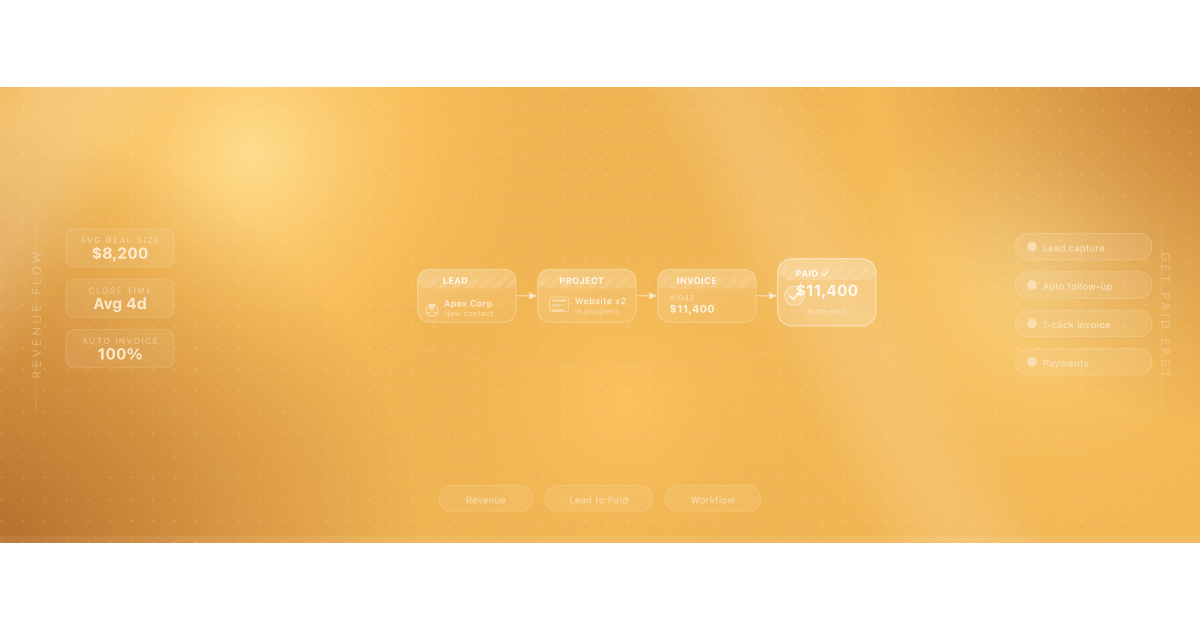
Lead to Payment: Connected Revenue Workflows for Teams
One of the biggest challenges facing small agencies is the multiplicity of systems and tools used to manage projects seamlessly. For example, many agencies use customer management systems, in addition to other tools for project management and invoicing. To improve your operations, you can standardize your agency workflow or compare different pricing models.
The real problem lies in the lack of connectivity between these tools. Furthermore, human intervention is required to transfer data at every stage, which is time-consuming and can lead to errors. This is where the importance of lead to payment workflows becomes clear. They provide a clear view for teams by offering all data on a single, unified platform, eliminating the need for human intervention at each stage to collect this data. Therefore, this post will review the features of a small business workflow stack and how they work. In addition, to boost efficiency, you may want to discover how to get paid fast or learn to reduce SaaS costs.
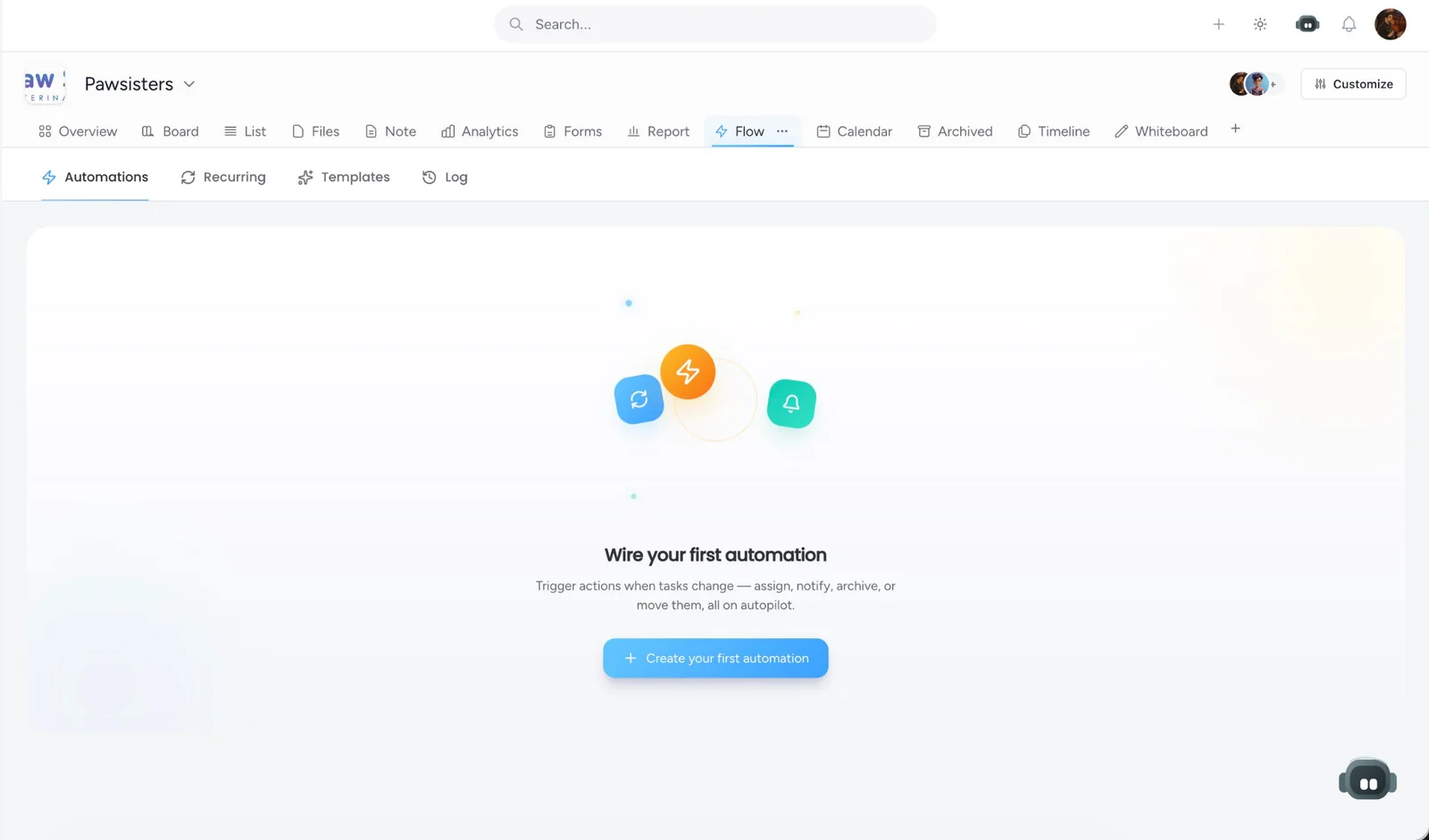
Operational Gaps That Slow Down Revenue
Using separate tools means significantly more time is wasted on workflow coordination between teams, as:
- ✗ Recording customer data on standalone CRM tools takes longer due to manual entry.
- ✗ Converting a closed deal into a project and distributing tasks manually slows down launch.
- ✗ The process of transferring data between stages requires human intervention and can lead to major copy-paste errors.
- ✗ Manual invoicing in accounting apps slows down billing and leads to client payment delays.
These problems are particularly evident in small teams, causing delays in smooth workflow execution between sales, staff, and clients. Therefore, small teams need connected CRM, delivery, and billing systems to support their future growth.
What a Lead to Payment Workflow Actually Means
A lead to payment workflow is a continuous pipeline that starts with the customer interest and ends with payment. In other words, the work steps flow seamlessly on a single platform without human intervention. This means:
- ✓ Unified Database: All data is recorded in one place without the need for manual copy-pasting.
- ✓ Employee Time Savings: Saving employees a lot of time spent in coordination meetings.
- ✓ Minimized Errors: Reducing the number of human errors that occur when recording data.
- ✓ Accelerated Invoicing: Billing is done instantly after project delivery, accelerating cash flow.
Why Unified Workflow Matters for Small Teams
For small teams, every minute makes a significant difference in achieving expansion and growth, especially in highly competitive fields. Small teams don't have the luxury of wasted time. Therefore, building a revenue operations pipeline for small teams is the ideal solution because it:
- ✓ Reduces the time spent collecting data from multiple standalone tools.
- ✓ Reduces the time wasted navigating through fragmented software.
- ✓ Helps strictly control and eliminate human transcription errors.
- ✓ Is ideal for agile teams looking to scale without hiring heavy administrative staff in the future.
How Connecting CRM, Delivery, and Billing Changes Everything
When agencies start using an integrated project management tool like Taskeya, the impact on the work environment is clear and immediate, including:
- ✓ Significantly increased employee productivity by freeing them from data entry.
- ✓ Smoother workflow, reducing employee stress and pressure.
- ✓ Reduced costs associated with paying for multiple tool subscriptions.
- ✓ Automatic invoicing upon project completion, thus minimizing payment delays.
How Taskeya Solves the Problem
Taskeya provides a complete lead-to-payment workflow ideal for small teams, handling step-by-step management tasks without human intervention, thereby reducing errors. The platform supports:
- ✓ Registering potential client data and converting it into a project directly upon sale.
- ✓ Distributing tasks among teams according to each employee's role within the company.
- ✓ Monitoring work updates in real time without the need for additional status meetings.
- ✓ Storing project files securely for easy future client and staff access.
- ✓ Automatic invoicing upon project delivery and tracking of client payment status.
Conclusion
Using separate project management tools in small agencies isn't just about cost; there are hidden obstacles that affect workflow, including wasted time and human error. To get started, you can track our product roadmap or learn more about the Taskeya platform to see how we help teams unify their operations.
Therefore, many agencies are currently looking for a lead to payment workflow to help them expand in the future. Taskeya is considered one of the best project management platforms, an integrated platform that handles management tasks from potential client data registration to invoicing without human intervention, thus minimizing errors.
Frequently Asked Questions
What is a lead-to-payment workflow?
It is an integrated workflow system that manages the entire client journey from the initial contact (lead) to the payment stage, within a single, seamless workflow between tools.
Why is the lead-to-payment workflow important for small teams?
Because it helps small teams reduce wasted time, accelerate processes, and improve revenue streams without the need to manage multiple separate tools.
What problems do disconnected CRM, delivery, and billing systems cause?
This leads to work delays, data loss between phases, poor communication between teams, and delayed payment collection.
How does connecting CRM, project delivery, and billing improve revenue flow?
Connecting helps automatically transfer data between phases, reducing wasted time and ensuring quick invoicing after work is completed.
What does a unified workflow look like in practice?
It's a single system where the customer starts as the lead, then automatically becomes a project, the work is executed, and then invoicing and payment are processed within the same system without separate tools.
Ready to Connect Your Lead-to-Payment Funnel?
Stop losing revenues inside manual coordination gaps. Connect your client database directly to work execution and invoicing.
Read Next
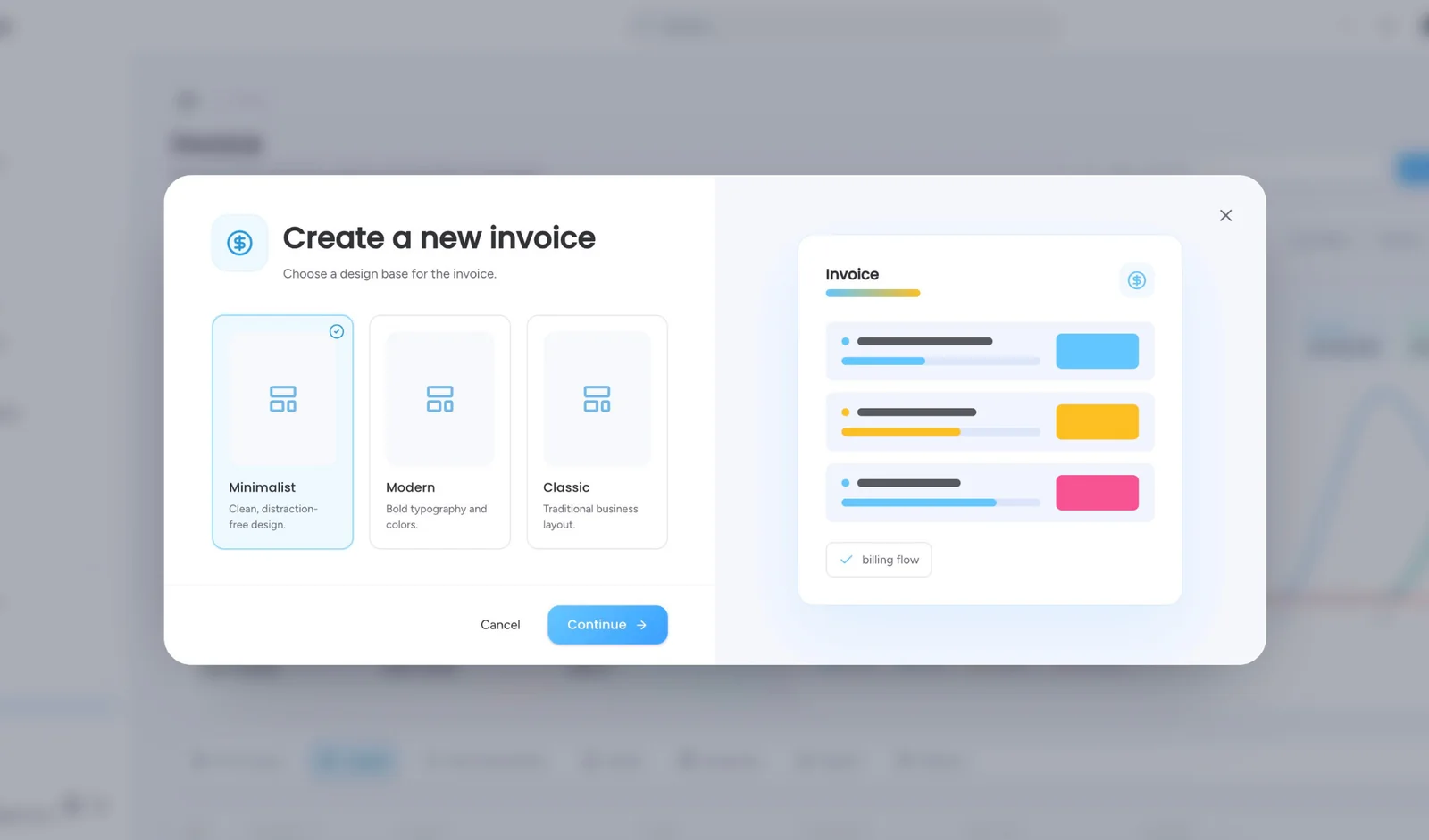
From Lead to Project to Invoice: The Smartest Workflow for Small Agencies
Learn how integrating your CRM, project management, and invoicing into a single workflow helps small agencies reduce errors.
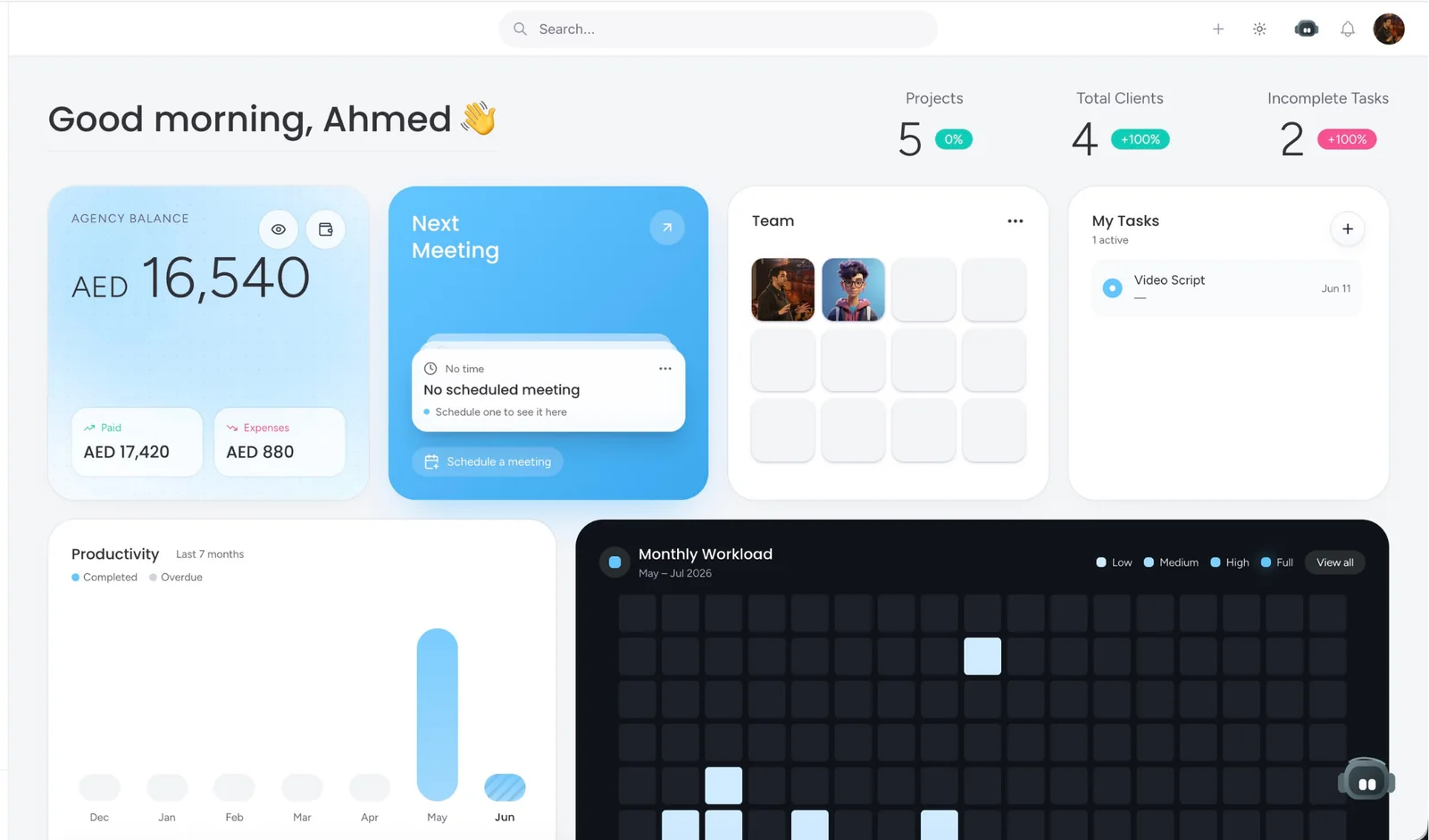
Stop Paying for 6 Different Apps: The All-in-One Agency Management Software Guide
Discover how all-in-one agency management software helps agencies replace multiple SaaS tools, reduce costs, and eliminate workflow chaos.