
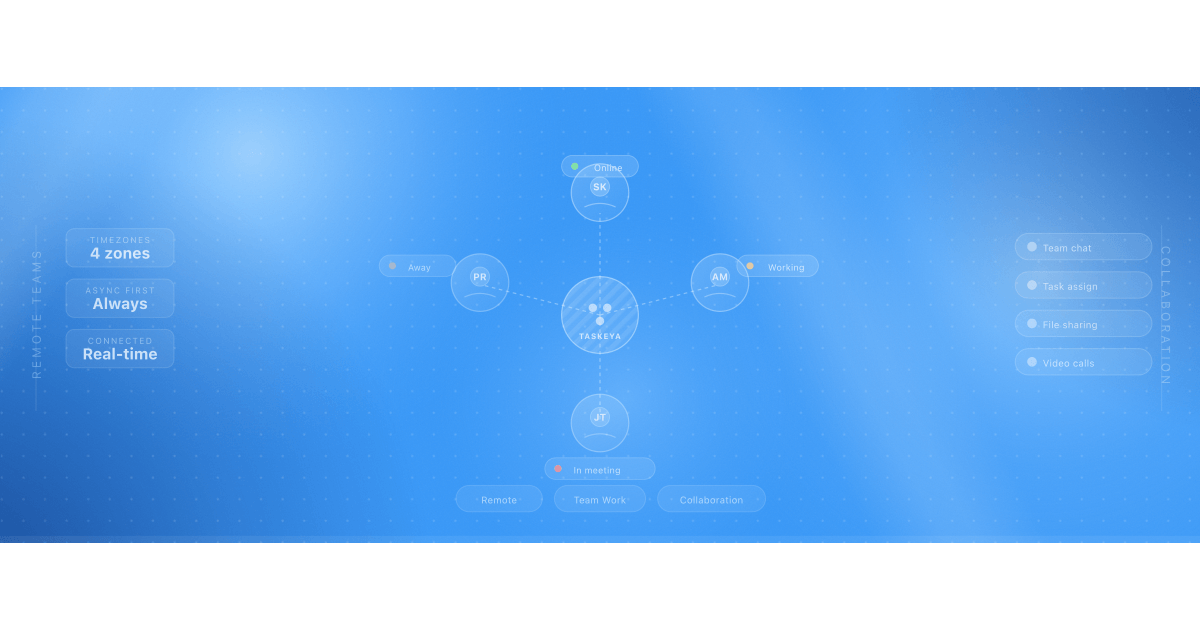
Remote Collaboration: Stay Aligned Without Meetings
When it comes to remote team collaboration, many agencies tend to hold frequent meetings to distribute tasks, then another to monitor progress, and yet another to discuss updates or modifications. This creates chaos within teams and wastes a lot of time. The key lies in how to manage remote teams professionally, and this is achieved through remote project management. To improve your operations, you can stop wasting time on manual reports or integrate a secure client portal.
Therefore, in this post, we will explore the impact of remote work software and whether they are ideal for eliminating chaos in the work environment and boosting employee productivity. In addition, to boost efficiency, you may want to combine chat and task management or streamline HR and payroll.
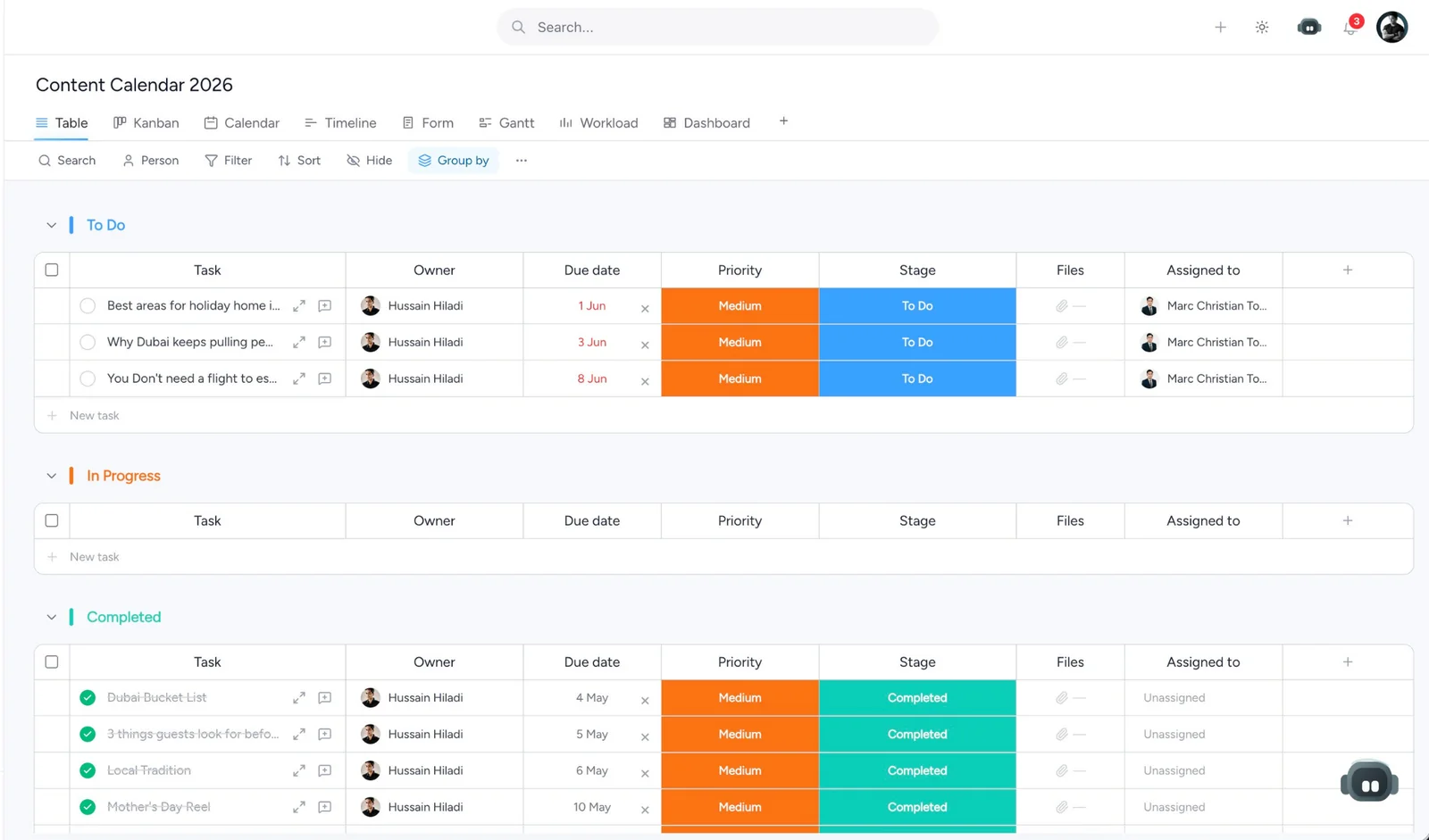
The Real Problem with Remote Teams
Managing a remote team requires proper communication among team members. While some believe the main problem lies in poor communication, the real issue is the communication method itself.
Holding frequent meetings places a burden on the team, resulting in a significant amount of wasted time. Not only that, but there's a real gap between what's actually said in meetings and what's actually done within teams. Therefore, providing a remote team chat for managing conversations, displaying tasks, and tracking updates is the ideal solution for effectively managing remote teams.
Collaboration Isn't Communication: Why Small Remote Teams Fall Out of Sync
In a remote work environment, teams face numerous challenges, just like any other work team. One of the most prominent of these challenges is the loss or difficulty of collaboration, for the following reasons:
- ● The multitude of tools: The multitude of tools used by the team daily means that, even with daily communication, teams will face many difficulties in communicating.
- ● Relying on constant reminders: Relying on manual reminders at every stage of the work process, of course, places a burden on your employee or team.
- ● Wasted meeting times: Wasting time holding numerous meetings daily or weekly creates complications in the work environment.
Therefore, the ideal solution is to utilize remote team collaboration software, which connects the employee's home office, managers, and client, enabling freelancers to track updates, tasks, and required project modifications on a regular basis.
Meetings Are Not a Collaboration Strategy
Meetings are certainly an effective solution for tracking work updates and addressing the most prominent challenges faced by remote teams, but they are certainly not a magic or effective solution for managing remote teams:
- ✗ Meetings consume at least 30% of an employee's time, increasing pressure and tension within the work environment.
- ✗ Discrepancies occur between what the client requests and what is actually implemented by freelancers due to loose notes.
- ✗ Meetings break flow and employee focus, which is directly reflected in overall performance.
What Effective Remote Team Collaboration Actually Looks Like
Effective remote team collaboration does not mean frequent communication between freelancer teams, but rather that each employee understands their specific role and what is required of them. Among the most prominent characteristics of effective team collaboration are:
- ✓ Each employee understands their specific role within the work environment.
- ✓ Tasks are appropriately distributed to each employee according to their area of expertise.
- ✓ Tracking work progress and adding modifications without the need for frequent status meetings.
This makes the framework more professional, giving employees the space and freedom to complete required tasks without wasting time on repeated status check meetings.
Async Visibility: How Great Remote Teams Stay Aligned Without Meetings
Remote work requires specific management attributes, including the ability to understand workflow without direct communication. This is what remote team management tools like Taskeya provide:
- ✓ Automated Task Distribution: Task distribution is done without human intervention, so each employee understands their role within a specific timeframe.
- ✓ Status Transparency: Monitoring workflow without direct communication reduces employee stress and increases productivity.
- ✓ Forward Visibility: Viewing upcoming projects and pipelines directly inside the dashboard.
The Tool Problem: Why Most Remote Work Software Creates More Chaos
When it comes to remote team collaboration, many remote work tools backfire and create more chaos instead of managing teams. Conversations are stored within a specific chat application, a separate application is used to track workflow tasks, and teams use a third application to upload files and store project data.
This multiplicity of tools creates many human errors during manual transfer, increasing pressure and stress on remote employees.
How Taskeya Fixes Remote Team Collaboration for Small Teams
Taskeya is the ideal model for managing remote teams:
- ✓ Tasks are distributed among teams according to each member's specialization.
- ✓ Work updates are monitored regularly without the need for frequent team status meetings.
- ✓ Project documents are documented and securely stored for easy retrieval when needed.
- ✓ An internal chat system allows the team to communicate contextually when necessary, while keeping work data confidential.
Conclusion
Managing remote teams requires clarity more than anything else, and this is where remote work software becomes crucial as a practical solution that enhances remote team collaboration. To get started, you can learn more about the Taskeya platform or check our flexible pricing plans to see how we help teams unify their operations.
It creates a unique workspace that brings together freelancers, clients, and work files in a single, unified system. Leave behind the chaos created by multiple tools and switch to Taskeya's unified workspace now.
Frequently Asked Questions
What is remote team collaboration?
It is a work style that allows teams to perform their tasks from different locations using systems and tools that ensure clear work organization and coordination without the need to be in one place.
Why do remote teams struggle with alignment?
Due to the reliance on multiple, unrelated tools and the absence of a unified system that integrates tasks, communication, and workflow.
How do you manage a remote team without too many meetings?
By relying on a clear work system that makes tasks and updates visible to everyone continuously, thus reducing the need for frequent meetings.
What is the most important element of remote team management?
The most important element is clarity; That is, everyone should know what is required of them, and all tasks and work progress should be visible and organized.
Ready to Streamline Asynchronous Collaboration?
Get your remote teams aligned without manual status reports, check-ins, or endless status update meetings. Switch to Taskeya today.
Read Next
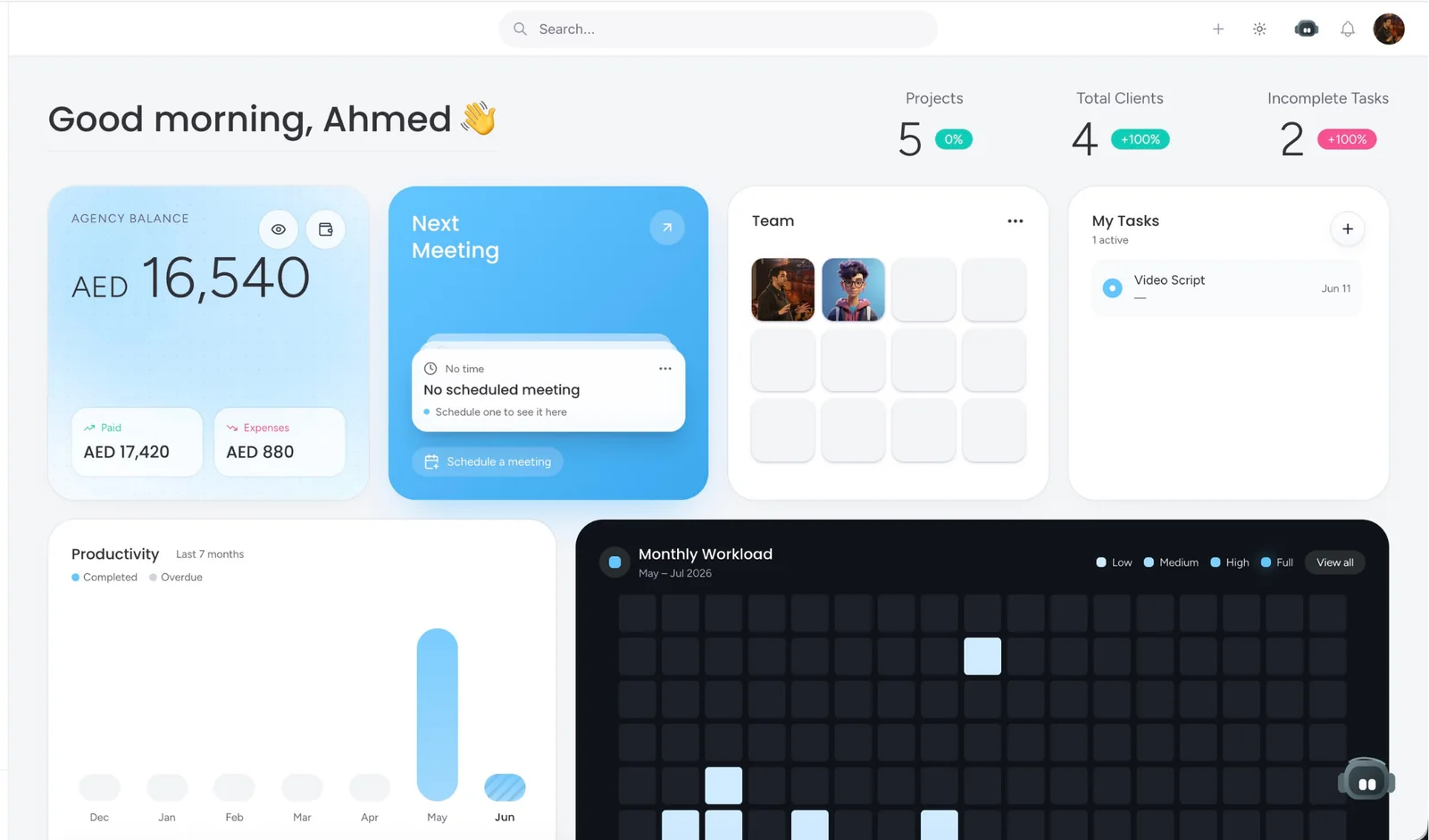
Stop Paying for 6 Different Apps: The All-in-One Agency Management Software Guide
Discover how all-in-one agency management software helps agencies replace multiple SaaS tools, reduce costs, and eliminate workflow chaos.
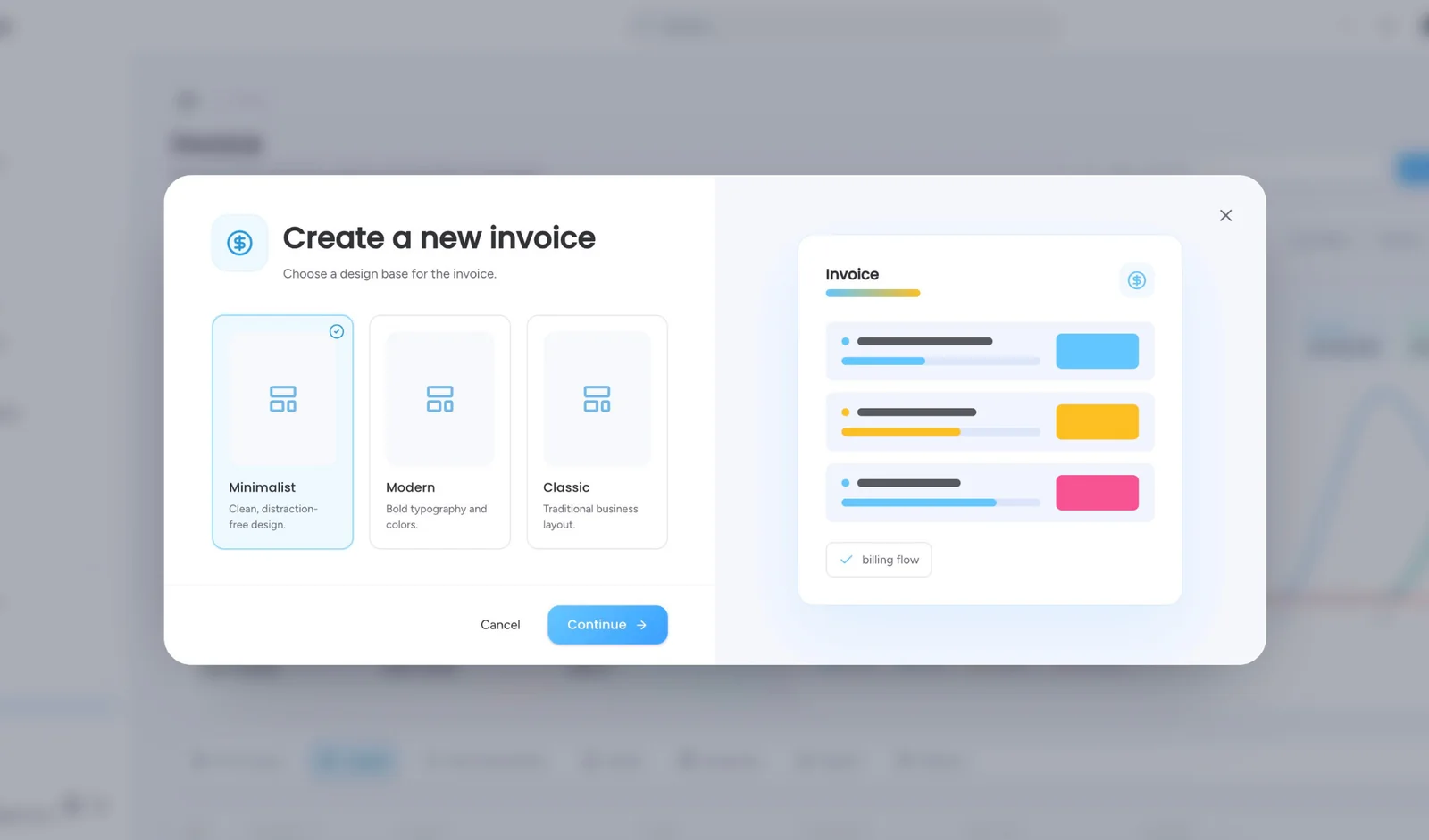
From Lead to Project to Invoice: The Smartest Workflow for Small Agencies
Learn how integrating your CRM, project management, and invoicing into a single, unified workflow helps small agencies reduce errors.